
✅ What is a Sandwich Panel?
author: SEO-Chovy
2025-04-17
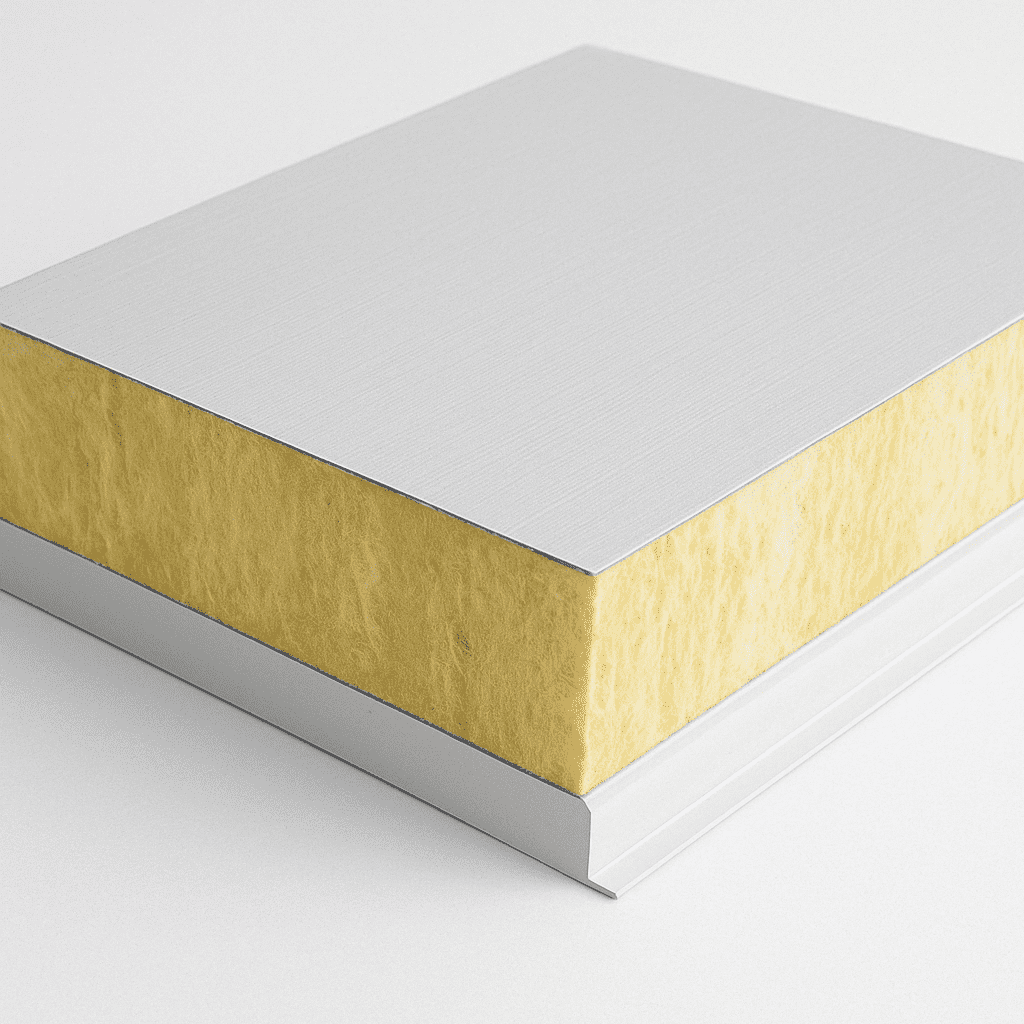
Common Core Types & Their Benefits
| Core Material | Key Features |
|---|---|
| PU (Polyurethane) | Best insulation, lightweight, fire-resistant (Class B), ideal for cold rooms and factories. |
| EPS (Polystyrene) | Low-cost, lightweight, basic insulation, not fire-resistant. |
|
Rock Wool/Glass Wool
|
Fireproof (Class A), sound-absorbing, heavy, perfect for fire-rated walls.
|
| Material | Fire Resistance | Thermal Insulation (W/(m·K)) | Weight (Density, kg/m³) | Relative Cost | Application Scenarios | Notes | |
| Rock Wool Board | Excellent (Class A non-combustible) | 0.040–0.045 | 80–200 | High | High-rise building exteriors, fire barriers, industrial plants, fire-sensitive environments. | Best fire resistance but absorbs moisture; requires moisture-proof treatment. | |
| EPS Board | Poor (Class B2 combustible) | 0.035–0.043 | 15–30 | Lowest | Temporary structures, low-rise residential interiors, refrigerated trucks, packaging (with fire retardants). | Cost-effective but flammable; deforms at high temperatures. | |
| PU Board | Good (Class B1/B2) | 0.020–0.024 | 30–50 | Highest | Cold chain logistics, refrigerated warehouses, high-end building exteriors, low-temperature pipelines. | Best insulation; fire resistance can be upgraded to B1 with additives. | |
| Glass Wool Board | Excellent (Class A non-combustible) | 0.042–0.048 | 60–150 | Medium | Pipe insulation, equipment thermal barriers, acoustic partitions, non-load-bearing fire barriers. | Fire-resistant but slightly less insulating; fibers require handling care. |
Where Are Sandwich Panels Used?
-
Factories & Warehouses – Fast construction and good insulation
-
Cold Storage – PU panels keep temperatures stable
-
Cleanrooms & Labs – Hygienic and airtight
-
Offices & Modular Buildings – Modern, energy-saving design
-
Public Buildings – Schools, hospitals, gyms, etc.
Why Choose Sandwich Panels?
-
Fast installation
-
Energy saving
-
Clean and modern look
-
Custom sizes & colors available
Need pricing or samples?
-
WhatsApp: Click here to chat
-
Telegram: Message us
-
Email: project@steelmoducore.com
We reply within 24 hours.
Tesla House for Sale – The Future of Sustainable & Off-Grid Living
Why Insulation Panels Are the Future of Energy-Efficient Construction
Related Article

Explore how Solarhaven delivered 1,300 sqm of high-density PIR sandwich panels with >180g/m² zinc coating for a leading food logistics giant in Lima, Peru. Learn about our technical specs and China-Peru FTA customs support.
PIR Sandwich Panel Case Study: Food Industry Project in Lima, Peru

Discover an innovative closed-box metal sandwich panel system designed with integrated drainage channels and sliding fasteners to eliminate water ingress and accelerate installation efficiency.
Next-Generation Integrated Cladding Solution: Anti-Water & Fast-Installation Metal Sandwich Panels
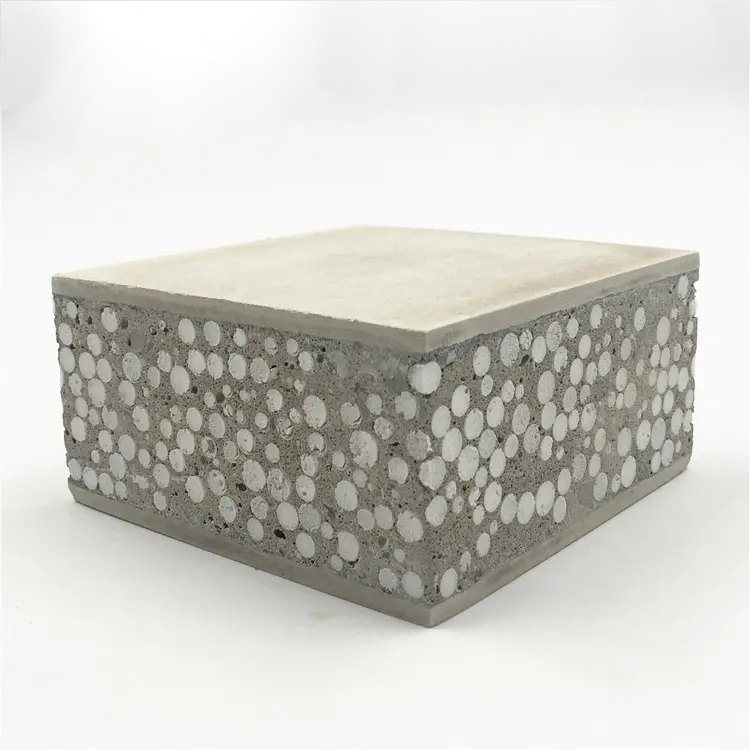
High-quality EPS cement sandwich panels – superior thermal insulation, fire-resistant, and cost-effective for commercial/residential buildings. Get a free quote today!
EPS Cement Sandwich Panels – Lightweight & Energy-Efficient Precast Wall Solutions

When it comes to construction and industrial applications, choosing the right materials is crucial for durability, energy efficiency, and cost-effectiveness. Sandwich panels (or composite panels) have become a popular alternative to traditional building materials like concrete, brick, and single-layer metal sheets. But what makes them different, and why are they gaining popularity? Let’s explore the key advantages of sandwich panels over conventional options.
Sandwich Panels vs. Traditional Building Materials: Why Choose Insulated Panels?