
Sandwich Panels vs. Traditional Building Materials: Why Choose Insulated Panels?

What Are Sandwich Panels?
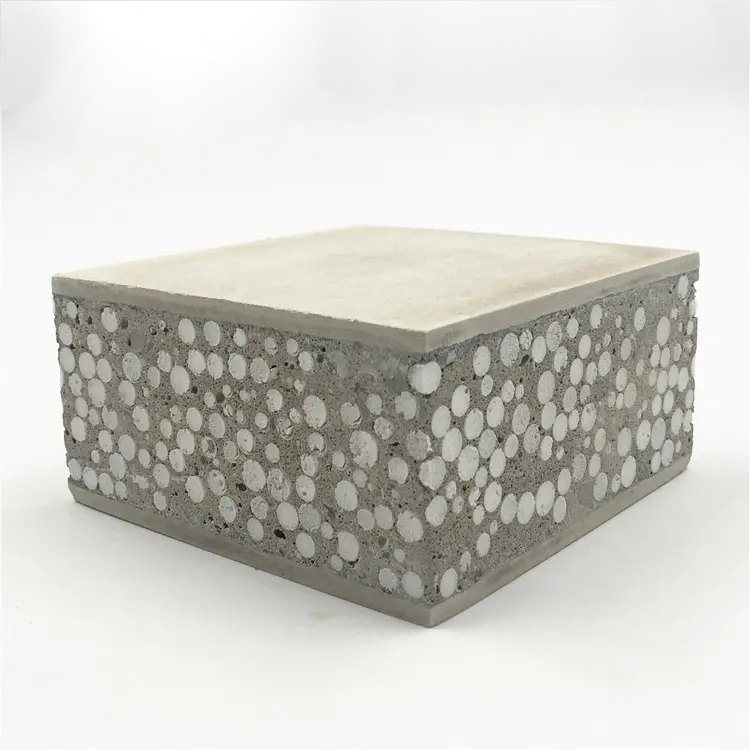
Sandwich panels are multi-layered construction materials consisting of:
-
A core insulation layer (such as polyurethane (PUR), polyisocyanurate (PIR), mineral wool, or EPS/XPS foam).
-
Two outer metal or non-metal facings (typically steel, aluminum, or fiberglass).
This composite structure provides superior strength, thermal efficiency, and lightweight properties compared to traditional materials.
Key Differences: Sandwich Panels vs. Traditional Materials
1. Thermal Insulation & Energy Efficiency
✅ Sandwich Panels: Excellent thermal resistance due to the insulated core, reducing heating/cooling costs by up to 30-50%.
❌ Traditional Materials: Concrete, brick, and single-layer metals have poor insulation, leading to higher energy consumption.
2. Lightweight Yet Strong
✅ Sandwich Panels: Much lighter than concrete or brick but maintain high structural strength, reducing foundation costs.
❌ Traditional Materials: Heavy, requiring stronger (and more expensive) support structures.
3. Faster Installation & Cost Savings
✅ Sandwich Panels: Prefabricated for quick assembly—cutting construction time by 50-70%.
❌ Traditional Materials: Labor-intensive and time-consuming (e.g., bricklaying or concrete curing).
4. Fire Resistance & Safety
✅ Sandwich Panels: Fire-retardant cores (PIR/mineral wool) offer better fire resistance than wood or EPS foam.
❌ Traditional Materials: Non-insulated metals conduct heat, while wood is highly flammable.
5. Noise Reduction
✅ Sandwich Panels: The dense core absorbs sound, making them ideal for industrial and commercial buildings.
❌ Traditional Materials: Single-layer materials provide minimal soundproofing.
6. Durability & Low Maintenance
✅ Sandwich Panels: Resistant to corrosion, moisture, and pests (unlike wood or untreated steel).
❌ Traditional Materials: Prone to cracks (concrete), rust (metal), or rot (wood).

Where Are Sandwich Panels Used?
-
Industrial & Warehouses – Fast construction, energy-efficient.
-
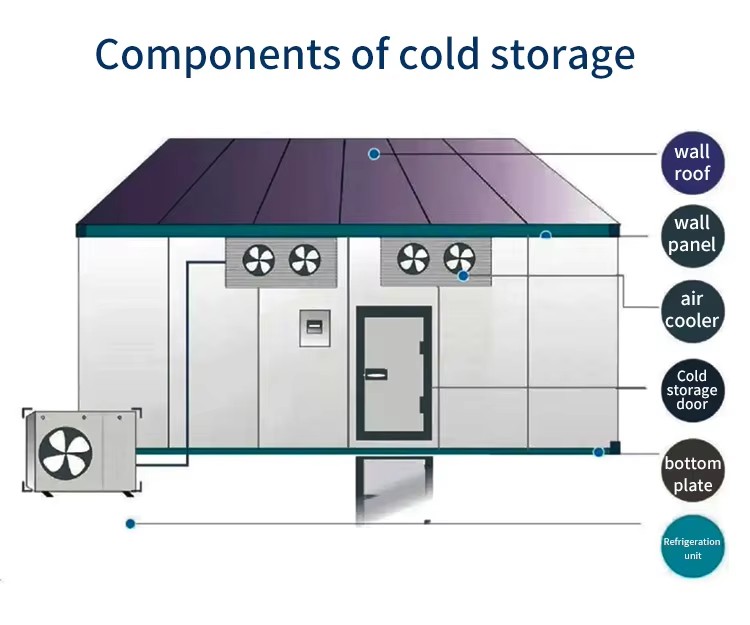
Cold Storage & Food Industry – Superior thermal insulation.
-
Commercial Buildings – Offices, supermarkets, cleanrooms.
-
Residential Projects – Modern prefab homes and modular buildings.
Conclusion: Why Choose Sandwich Panels?
Sandwich panels outperform traditional materials in insulation, weight, installation speed, and long-term cost savings. Whether for industrial, commercial, or residential projects, they provide a smarter, more sustainable building solution.
EPS Cement Sandwich Panels – Lightweight & Energy-Efficient Precast Wall Solutions
PU Sandwich Panels: Revolutionizing Building Performance with Advanced Polyurethane Technology
Related Article


At the forefront of modern building solutions, Polyurethane (PUR/PIR) Sandwich Panels represent a quantum leap in insulation performance, structural integrity, and sustainable construction. Engineered for architects and builders who refuse to compromise, our panels deliver unmatched thermal efficiency, exceptional fire resistance, and industry-leading durability - all while reducing construction timelines by up to 60%.