


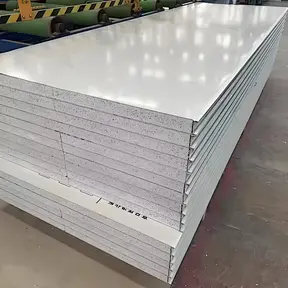

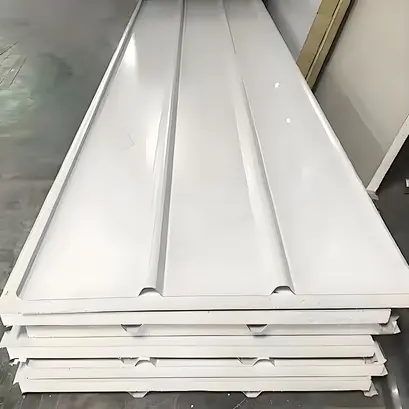


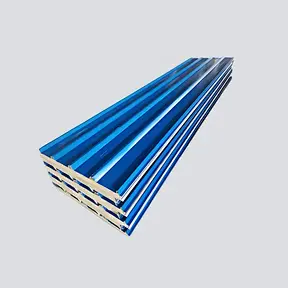

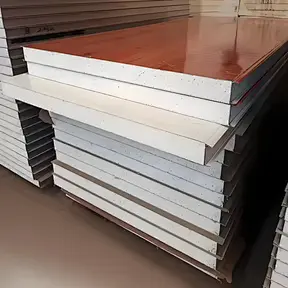

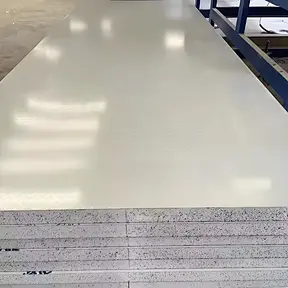

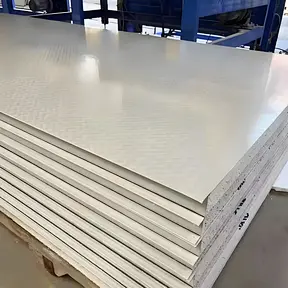
Foam Board insulation

Foam Board Insulation: A Reliable Solution for Energy Efficiency
Foam Board Insulation is a highly effective material used to improve the thermal efficiency of buildings. Made from rigid foam materials such as polystyrene (EPS), polyurethane (PU), or extruded polystyrene (XPS), foam board insulation is an excellent solution for reducing energy consumption and maintaining a consistent indoor temperature.
One of the primary benefits of foam board insulation is its superior thermal resistance. The material helps prevent heat transfer, keeping buildings cooler in the summer and warmer in the winter. This contributes to significant energy savings, making foam board insulation an environmentally friendly and cost-effective option for residential and commercial buildings.
In addition to thermal performance, foam board insulation is lightweight and easy to handle. It is available in various thicknesses and sizes, making it adaptable to different applications. Whether used in walls, roofs, or floors, foam board insulation can be easily cut and installed, reducing labor time and installation costs.
Foam board insulation is also moisture-resistant, which makes it ideal for areas prone to high humidity, such as basements and bathrooms. It does not absorb water, which prevents mold and mildew growth, maintaining the integrity of the building’s structure and improving indoor air quality.
Another significant advantage of foam board insulation is its durability. It is resistant to compression and maintains its insulating properties over time, offering long-lasting performance. This makes foam board insulation a smart investment for improving the energy efficiency of any building.
In conclusion, foam board insulation is a versatile and efficient material that provides excellent thermal protection, energy savings, and durability. Whether for new construction or renovations, foam board insulation is an ideal choice for creating more comfortable, energy-efficient spaces.